Why the Right Pizza Place in Cheyenne Makes All the Difference
Cheyenne is the kind of city where local habits matter. People know which mechanic to trust, which coffee shop gets the roast right, and which restaurant is worth driving across town for on a cold, windy night. Pizza belongs in that category. It is easy to treat pizza as interchangeable, especially when most menus use the same familiar words: hand-tossed, fresh toppings, family friendly, fast delivery. In practice, the gap between an average pie and a memorable one is wide.
That is why the right pizza place in Cheyenne matters more than many people think. It affects the quality of a quick weeknight dinner, the mood of a family gathering, the success of an office lunch, and even how visitors remember a town. Great pizza does not happen by accident. It comes from choices, habits, and standards that customers can feel the moment the box opens.
A pizza dinner is rarely just about food
People do not order pizza only when they want something convenient. They order it when they need a meal that can carry the night without creating extra work. Parents lean on it after long practices and school events. Coworkers bring it into conference rooms when meetings run through lunch. Friends order it for game nights because nobody wants to disappear into the kitchen for an hour.
In all of those moments, the restaurant becomes part of the experience. If the crust arrives soggy, the cheese has slid to one side, or the order is wrong, the whole event feels a little off. If the pizza is hot, balanced, and made with care, the meal feels easy in the best possible way. That difference is not dramatic on paper, but it is obvious at the table.
Cheyenne, with its mix of working families, military connections, ranching roots, students, and long-time locals, has a practical food culture. People want value, but not at the expense of quality. They want portions that make sense, service that respects their time, and food that tastes like someone in the kitchen actually paid attention. A good pizza place meets those expectations. A great one does it consistently.
The crust tells you almost everything
Anyone who has spent time eating pizza in different cities learns one thing quickly: crust is the truth. Toppings can distract. Sauce can cover flaws. Cheese can make almost anything edible. Crust is harder to fake.
A strong pizza place in Cheyenne knows how to read its dough. It should come out with structure underneath, enough chew to feel substantial, and enough crispness to hold a slice from tip to heel. That balance sounds simple, but it is where many places miss. Some pies arrive pale and soft, especially when operators rush the bake during a busy dinner window. Others go too far the other direction and turn every bite into a cracker.
The best shops understand that crust has a job to do. It should support the toppings without becoming a burden. In a climate like Cheyenne’s, where cold evenings can make comfort food especially appealing, that warm, properly baked base matters. It is the first texture people notice and often the reason they come back.
Good dough also reflects discipline behind the scenes. Fermentation time, water content, flour choice, and oven management all show up in the finished slice. Customers may not describe it that way, but they know when a crust tastes alive rather than generic.
Sauce and cheese are where restraint pays off
One of the most common mistakes in pizza is excess. Too much sauce creates a wet center. Too much cheese smothers every other flavor and leaves a greasy layer on top. Too many toppings can turn the middle of the pizza into a stew. The right pizza place understands proportion.
A well-made sauce should taste like tomatoes first, with seasoning supporting the fruit rather than burying it. Some places chase boldness by dumping in sugar, garlic, or dried herbs until every pie tastes heavy and one-note. A better approach is cleaner and more confident. The sauce should brighten the richness of the cheese and add moisture without flooding the crust.
Cheese matters for similar reasons. Customers often assume more is better, but a pizza overloaded with cheese can cool into a rubbery blanket before it reaches the table. A smart pizzeria uses enough to create coverage and pull, while still allowing the crust, sauce, and toppings to speak. In a restaurant setting, especially during delivery and takeout, that balance matters even more because the pizza has to survive a short travel window.
This is one place where experience shows. Restaurants that have been making pizza for years tend to know exactly how their pies hold up after ten or fifteen minutes in a box. They build for reality, not for a marketing photo.
Toppings reveal whether a kitchen has standards
Customers usually notice toppings before anything else because they are visible and easy to compare. Fresh mushrooms versus canned ones. Sausage with actual seasoning versus bland crumbles. Vegetables cut that day versus peppers that have gone limp in a prep bin. Those details are not minor. They tell you how the kitchen is run.
A dependable pizza place in Cheyenne should understand the local appetite for both classic and hearty combinations. People want the familiar comfort of pepperoni, sausage, and cheese, but many also appreciate specialty pies that are assembled with some thought. That might mean a balance between salty meats and bright vegetables, or a pie that layers ingredients so every bite feels intentional rather than random.
There is also a practical side to toppings that good operators respect. Moisture-rich ingredients like tomatoes, pineapple, or extra mushrooms need careful handling or they will drench the center of the pizza. Strong flavors like olives, onions, and jalapeños need restraint so they add character without taking over. The best places get these details right so the pizza tastes complete, not chaotic.
Consistency is what separates a favorite from a one-time stop
A single excellent pizza can happen anywhere. Maybe the kitchen had a calm shift, the oven was running perfectly, and the employee stretching dough had a good hand that night. What matters more is whether the next five pizzas are just as strong.
Consistency is the real test of a restaurant, and it matters deeply with pizza because customers build routines around it. Once a family decides Friday is pizza night, they want reliability. Once an office uses the same place for staff lunches, they need confidence that twelve pies will arrive on time and in good shape.
That is why the right pizza place in Cheyenne stands out. It does not only make good food when conditions are perfect. It performs on busy weekends, during school events, through delivery rushes, and in the middle of winter weather when half the city seems to want takeout at once. That kind of steadiness does not come from luck. It comes from systems, training, and leadership.
You can usually spot it from a few practical signs:
- Orders are accurate, even when customized.
- Pick-up times are realistic, not overly optimistic.
- The pizza looks and tastes the same from visit to visit.
- The staff can answer questions without guessing.
- The restaurant stays composed during rush periods.
These may sound basic, but in food service, basic is hard. A business that does the fundamentals well earns loyalty for a reason.
Service changes the entire value equation
People often talk about restaurant quality as if it lives only in the food. In reality, service is part of the product. That is especially true for pizza, where ordering often happens by phone, through an app, or during a tight timeline between other obligations.
A good pizza place respects that. The staff confirms details instead of rushing through them. They tell customers if a large catering order will take longer than usual. They fix mistakes without argument. They package food in a way that protects it. None of that is glamorous, but all of it matters.
In Cheyenne, where community reputation carries weight, service can make or break a restaurant’s standing. People remember how they were treated. They remember the employee who stayed patient during a confusing order for a birthday party. They remember the manager who remade a pizza after a delivery issue. They also remember the opposite.
This becomes even more important for newcomers searching for a pizza place cheyenne residents genuinely trust. Reviews can help, but word of mouth still matters most in a city where local relationships shape buying habits. Restaurants that combine strong food with calm, competent service tend to rise above the noise.
Local context matters more than chains admit
National chains have systems, buying power, and predictable menus. That can be useful. But local and regional pizza spots often understand their market better, and that understanding can show up in dozens of small ways.
They know when rodeo crowds or community events will change demand. They understand that some customers want a faster lunch option while others want a sit-down dinner that feels relaxed. They know which neighborhoods order heavily on weekends and which ones lean more on takeout than dine-in. That local awareness can improve everything from staffing to menu design.
There is also a psychological piece. Eating at a local pizza place often feels more rooted in the community. The staff may recognize repeat customers. The owner might be present. The menu may reflect actual customer feedback instead of a national rollout strategy. People are not imagining that difference. They are responding to a business that feels accountable to its town.
That does not mean every independent pizzeria is automatically better than every chain. Some chains are clean, efficient, and dependable. Some local spots are uneven. The point is that the right restaurant, especially one tuned in to Cheyenne’s pace and preferences, can deliver a better experience because it is built for the people who actually live there.
Atmosphere matters, even when you think it does not
Pizza is casual food, but casual does not mean thoughtless. The dining room, lighting, noise level, and overall cleanliness shape how people perceive the meal. A bright, tidy space with enough room for families feels welcoming. A cramped room with sticky tables and stressed employees makes pizza place cheyenne even a decent pizza feel less appealing.
For dine-in customers, atmosphere affects whether a restaurant becomes part of their routine. Parents care about whether children can be comfortable without disrupting everyone else. Couples notice whether the space feels pleasant enough for a relaxed meal. Sports fans care whether they can watch a game without shouting over bad acoustics. Office groups notice whether seating is flexible enough for a quick lunch.
Even takeout customers absorb atmosphere in a short visit. They notice if the front counter is organized. They notice if boxes are stacked neatly or if the host stand feels chaotic. They notice whether the place smells like fresh-baked dough or stale fryer oil. Those impressions shape trust, and trust drives repeat business.
Delivery and takeout demand a different kind of excellence
Some pizzas are built for the dining room. Others survive transport much better. The strongest operators know the difference and adapt accordingly.
A pizza that spends fifteen to twenty minutes in a box needs proper bake time, thoughtful topping distribution, and packaging that vents enough steam to avoid turning the crust limp. That is not a small technical issue. It is central to customer satisfaction. A restaurant can serve an excellent dine-in pie and still disappoint if it has not solved the travel problem.
Cheyenne drivers also deal with weather, distance, and timing realities that can complicate delivery. Wind, cold, and traffic around peak hours all change how a pizza arrives. The right pizza place plans for those conditions. It does not promise impossible turnaround times. It organizes routes sensibly. It trains staff to package orders so they hold up.
For customers, that means a better chance of opening the box to something that still feels freshly made, not exhausted by the trip.
Value is not the same as low price
Pizza is often judged through a budget lens, and that makes sense. It is a common group meal, and families watch what they spend. But the cheapest option is not always the best value. If a low-cost pizza is greasy, undersized, poorly topped, or unsatisfying enough that pizza place cheyenne people are hungry again an hour later, it was not a bargain.
Real value comes from the relationship between price, portion, quality, and reliability. A slightly more expensive pizza that uses better ingredients, serves more people, and consistently lands well often saves money in the long run because there is no need for backup sides, extra orders, or disappointed diners.
Customers evaluating value should think in practical terms:
- How many people does the pizza actually feed?
- Does the crust and topping balance hold up to leftovers?
- Are specialty toppings worth the upcharge?
- Does the restaurant honor timing and order accuracy?
- Is the meal satisfying enough to justify the ticket?
Those are the questions experienced diners ask, even if only instinctively. The right pizza place in Cheyenne tends to score well because it understands that customers want both fairness and quality, not one at the expense of the other.
The best pizza places earn trust over time
Every town has restaurants that come and go, often because they never settle on a standard. Menus drift. Service weakens. Cost-cutting shows up in the food. Customers notice. The places that last, and stay respected, usually do something less flashy and more difficult. They keep showing up with competence.
That matters in a city like Cheyenne, where habits are strong and reputations travel quickly. A pizza place that earns trust becomes part of the local rhythm. It feeds post-game crowds, work crews, birthday parties, visiting relatives, and tired parents on busy weeknights. It becomes the default answer to a question people ask all the time: where should we order from tonight?
That kind of status is not built on novelty alone. It is built on execution, fairness, and the confidence that the meal will do what it is supposed to do. It will arrive hot. It will taste good. It will satisfy a group with different preferences. It will make the evening easier instead of more complicated.
What people are really choosing when they choose a pizza place
When customers compare restaurants, they may think they are choosing crust style, topping options, or coupon pricing. At a deeper level, they are choosing trust, convenience, and experience. They are choosing whether a dinner feels seamless or frustrating. They are choosing whether guests leave happy or quietly underwhelmed.
That is why the right pizza place in Cheyenne makes all the difference. It is not only about one meal. It is about a restaurant’s ability to deliver comfort with standards attached. The best ones combine technical skill in the kitchen with practical judgment in service. They understand local expectations. They know where to be generous and where to be disciplined. They recognize that pizza, simple as it seems, carries a lot of weight in people’s daily lives.
When a restaurant gets all of that right, it does more than sell food. It becomes dependable. In a crowded market, that is what customers remember, and what keeps them coming back.
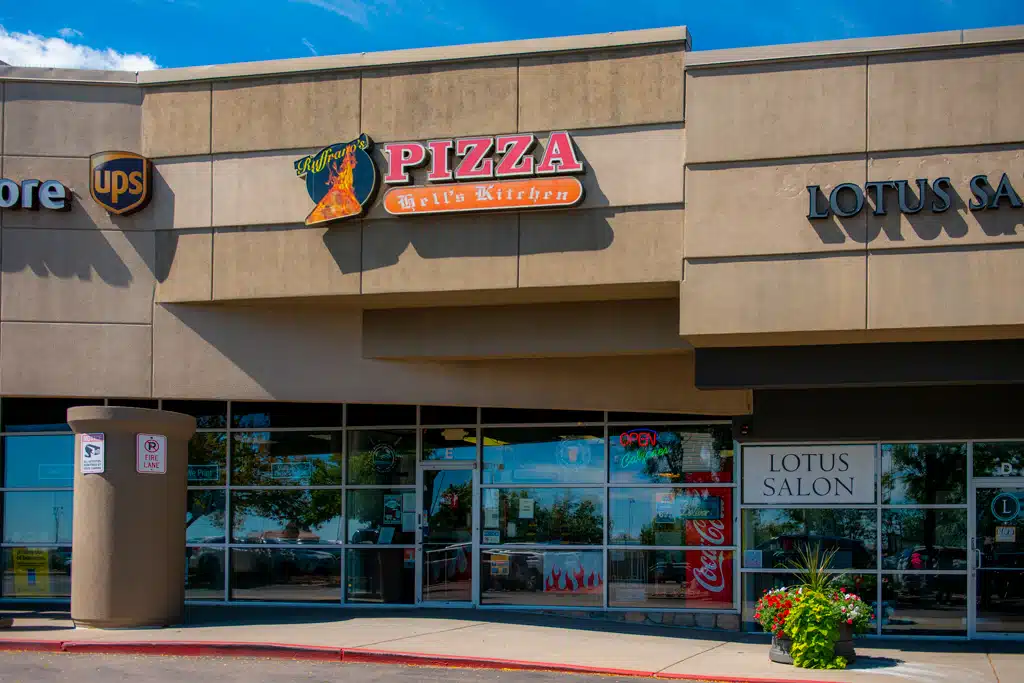
Ruffrano's Hell's Kitchen Pizza Cheyenne
Address: 1670 E Cheyenne Mountain Blvd, Colorado Springs, CO 80906
Phone number: +17195764355
FAQ About Pizza Place Cheyenne
What's the most popular pizza place?
The "most popular" pizza place depends on whether you measure by location count, total sales, or customer favorite status.
What is the 2 pizza rule?
The two-pizza rule is a management principle made popular by Amazon founder Jeff Bezos. It states that a team or meeting should never be larger than what can be fed with two large pizzas—typically translating to a group of 5 to 10 people (or roughly 6 to 12 people depending on appetites).
Is 2 pizzas enough for 10 people?
No, 2 pizzas are usually not enough for 10 people.