Pizza Place Cheyenne Menu Ideas for Every Craving
A good pizza menu does more than offer pepperoni and cheese. It meets people where they are. Some guests walk in starving after a long workday and want something hot, salty, and immediate. Others are planning a family dinner, trying to satisfy a picky child, a heat-seeking teenager, and one person who says they are only getting a salad, then reaches for everyone else’s slices. The best menu at a pizza place Cheyenne diners would return to again and again needs range, balance, and a clear sense of what people actually order when they are hungry.
Cheyenne has its own rhythm. Weather matters here. Windy evenings tend to push people toward hearty, baked comfort food. Busy lunch hours call for fast combinations that do not feel skimpy. Weekend crowds often want shareable appetizers, stronger flavors, and enough variety to keep the table lively. When you build menu ideas around those habits, the result feels less like a generic pizza shop and more like a place that understands its neighborhood.
That is the heart of a strong pizza menu. Not novelty for its own sake, and not a bloated list of toppings that slows down ordering. What works is a smart spread of signature pies, a few dependable classics, appetizers that hold their own, and sides or desserts that finish the meal without feeling like filler. A menu should help people solve a craving quickly.
Start with the cravings, not the categories
Most guests do not think in menu architecture. They think, “I want something cheesy,” or “I need a meat-heavy pizza,” or “I should probably order something lighter.” When a pizza place designs around those impulses, ordering gets easier and average checks usually rise for the right reasons. People add one more item because it makes sense, not because the menu is confusing.
For a pizza place Cheyenne families might choose on a Friday night, the strongest menu often covers five big craving lanes: classic comfort, bold meat-forward flavors, spicy options, veggie-driven freshness, and indulgent shareables. If those lanes are well built, almost every table can find its order within a minute or two.
Classic comfort is not just plain cheese. It includes a properly balanced pepperoni pie with enough crisp at the edges, a sausage and mushroom option with savory depth, and perhaps a simple supreme that feels familiar without becoming overloaded. People order these pizzas because they trust them. A classic pie should never feel like the boring section of the menu. In practice, these are often the pizzas that win repeat business.
Then there is the bold side of the menu, where smoky bacon, Italian sausage, roasted garlic, and maybe a touch of barbecue sauce come into play. These are the pizzas people order after a cold game night or when they have skipped lunch and want dinner to feel substantial. If a house specialty exists, this is often where it should live. A signature “Cheyenne meat” pie, for example, could feature pepperoni, sausage, bacon, ham, red onion, and a slightly sharper cheese blend. That kind of pie has presence. It photographs well, smells great coming out of the oven, and gives people a clear reason to choose your shop over another.
The pies that earn a permanent spot
Every memorable pizzeria has a few pizzas that regulars can name without looking at the menu. The trick is to make those signature pies distinctive enough to feel house-made, but broad enough to attract more than a niche audience.
A well-rounded menu might include a roasted veggie pizza built on olive oil, mozzarella, spinach, red onion, mushroom, and blistered cherry tomatoes. That pie gives vegetarian guests something thoughtful, not an afterthought loaded with raw peppers and pizza place cheyenne canned olives. If you want to make it more compelling, a little feta or goat cheese can add tang and structure. The point is to create a vegetable pizza that even meat eaters will order.
A spicy option should do more than dump jalapeños onto a standard pie. Heat needs shape. One of the better combinations I have seen uses spicy Italian sausage, pickled jalapeños, red onion, and hot honey added after the bake. That gives you richness, acid, and heat in layers. It tastes intentional. For many guests, especially younger diners or people ordering for game day, this kind of pizza becomes the one they talk about later.
White pizzas also deserve more attention than they usually get. In many pizza shops, they are hidden on the menu and rarely promoted. That is a missed opportunity. A white pie with ricotta, mozzarella, roasted garlic, spinach, and a little parmesan offers a totally different kind of comfort. It is creamy without being heavy if done right, and it appeals to people who want something rich but not tomato-based. During colder months, a good white pizza often sells better than owners expect.
The practical lesson is simple. Signature pies should express different moods. One should feel familiar, one should feel bold, one should feel fresh, and one should feel a little indulgent. If every specialty pizza is just another pile of meat on red sauce, the menu narrows fast.
Why crust style matters more than people admit
Most customers say they care about toppings first. Then they take a bite, and the crust becomes the whole story. Crust controls texture, fullness, and even how people remember value. A pizza with excellent toppings on a weak crust gets described as “fine.” A pizza with a memorable crust gets recommended.
For a pizza place Cheyenne locals might stop at for both lunch and dinner, offering at least two distinct crust experiences can broaden appeal without overcomplicating the kitchen. A traditional hand-tossed crust covers the broadest audience. It works for families, takeout, and specialty pies with several toppings. A thinner crust, whether crisp or tavern-style, answers a different craving entirely. It is especially useful at lunch, where diners want flavor without the post-meal heaviness.
Deep-dish or pan-style options can work too, but they require more discipline. They take longer. They fill people up faster. They also raise expectations. If a thick crust is on the menu, it has to justify itself with a crisp bottom, a soft interior, and enough sauce and cheese balance to avoid becoming a dense brick. When done well, though, it gives the menu a strong comfort-food anchor.
Stuffed crust remains popular, though often with families and younger guests more than with pizza purists. If it is offered, it should be good enough that adults order it without irony. Too often, stuffed crust tastes engineered rather than baked. A better version uses a moderate cheese fill and keeps the outer crust seasoned, so it feels like a deliberate style instead of a gimmick.
Appetizers should carry their weight
Many pizza menus treat appetizers as a formality. Mozzarella sticks, wings, maybe breadsticks, and done. That is serviceable, but not memorable. If you want guests to round out their orders, the appetizers have to feel like part of the meal, not dead space before the main event.
Garlic knots remain one of the smartest choices because they are inexpensive to produce, easy to share, and highly aromatic. Done properly, with enough garlic butter, parsley, and parmesan, they create instant appetite at the table. They also pair well with red sauce, ranch, or even a whipped ricotta dip if the kitchen wants a more polished touch.
Wings are nearly mandatory now, but there is a difference between having wings and doing them well. A pizza shop that offers three or four good sauces often performs better than one that lists ten forgettable ones. Classic buffalo, barbecue, garlic parmesan, and a hot honey chili glaze can cover most demand. What matters more is crispness, sauce adherence, and portion value.
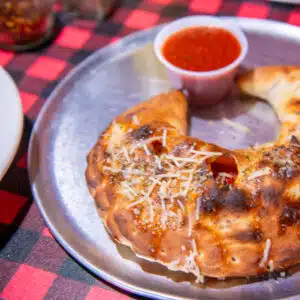
Cheesy bread is another staple that can either be excellent or pointless. The best versions have a distinct crust edge, enough cheese pull to satisfy the table, and a seasoning blend that tastes intentional. If it comes out pale and floppy, it will hurt the meal more than help it. That sounds harsh, but it is true. Guests may forgive an average side salad. They do not forgive bad cheesy bread.
There is also room for one appetizer with local personality. That could be green chili breadsticks, a baked dip inspired by southwestern flavors, or a loaded potato pizza starter cut into small squares. Regional accents, handled carefully, make a menu feel rooted in place.
Give lighter eaters a real choice
Every group has at least one person who does not want a heavy meal, and many pizza shops still treat that diner as secondary. That is a mistake. A strong salad, a cauliflower crust option, or a half-sandwich lunch combination can turn a reluctant guest into a regular.
A crisp house salad with mixed greens, tomato, cucumber, red onion, shredded provolone, and a sharp vinaigrette sounds basic, but if the ingredients are fresh and the balance is right, it sells. Caesar is still popular, though it should have enough parmesan, cracked pepper, and crouton texture to feel worthwhile. Adding grilled chicken creates an easy meal path for someone who came to a pizza restaurant but does not want pizza that day.
Vegetable-forward pizzas also matter here. Not every lighter option has to be low calorie. Often people simply want freshness to offset richness. Arugula added after baking, roasted tomatoes instead of raw, lemon on a white pie, or basil that actually tastes fragrant can all push a menu in that direction without losing its identity.
Cauliflower crust can help, but only if it is prepared and marketed honestly. Some guests want it for dietary reasons, others for curiosity. It will not satisfy someone expecting a hand-tossed wheat crust, so staff should guide expectations clearly. Better to have one solid alternative crust than several mediocre options.
Build combinations for real-life orders
The smartest menus anticipate how people actually buy. Lunch guests often want speed, predictability, and a fair price. Families want enough food without mental math. Game-day takeout customers want volume, shareability, and items that travel well. If combinations are built with those moments in mind, the menu becomes easier to use.
A lunch special with two slices and a drink still works because it matches workday behavior. Adding the option for a side salad can widen the audience without much extra labor. Personal pizzas at lunch also do well when the topping choices are curated enough to keep ticket times under control.
Dinner bundles are especially effective when they do not feel cheap or generic. A family deal built around one large specialty pizza, one medium cheese, an appetizer, and a two-liter drink mirrors how many households order already. The key is making the savings visible but not dramatic enough to make regular menu prices look inflated.
For takeout and delivery, travel quality matters. Thin pizzas can lose crispness. Salads can wilt. Sauces can leak. A practical menu accounts for that. Bakes, wings, knots, and heartier pizzas usually hold better than delicate greens or heavily dressed items. Operators who pay attention to those details earn better repeat business because the food arrives the way it was intended.
The dessert finish people actually want
Dessert at a pizza place should feel warm, easy, and slightly indulgent. Guests are rarely looking for a pastry case experience after pizza. They want one last shareable bite. That is why cinnamon knots, brownie pizzas, and cookie skillets outperform more formal plated desserts in many casual settings.
The best dessert options continue the emotional arc of the meal. If dinner felt abundant and relaxed, dessert should not suddenly become fussy. A warm chocolate chip cookie baked in a small pan, sliced for the table, works because it invites a few extra minutes of conversation. Cinnamon sugar breadsticks with icing work for the same reason. They are approachable and familiar, which matters when people are already full.
If the menu has one signature dessert, it should be easy for staff to describe in a sentence and easy for guests to add without overthinking. “Our house-made cinnamon knots come warm with vanilla glaze” sells faster than an elaborate concept that needs explanation.
Kids, groups, and the value of flexibility
Families keep many pizza businesses strong, especially in smaller cities and community-oriented neighborhoods. A family-friendly menu does not mean dumbing things down. It means recognizing that some tables need flexibility more than flair.
Kids’ meals, if offered, should be simple and quick. Cheese pizza, pepperoni pizza, and perhaps a pasta or boneless wing option are enough. The important part is portion sizing and speed. Children do not wait well when adults are still discussing topping choices.
For groups, half-and-half pizzas solve more problems than they create, especially on large pies. They reduce order anxiety and encourage people to try stronger flavors. A guest who would never commit to a full spicy pie may gladly take half. That matters because once people try a signature combination and enjoy it, they often order it outright next time.
There is also value in a “build your own” path that does not become an endless worksheet. A short list of premium toppings, clear upcharges, and staff confidence go a long way. People enjoy customization, but they enjoy clarity more.
Flavor trends worth borrowing, carefully
Not every trend belongs on every menu. A pizza shop can lose itself by chasing whatever is popular online. Still, some flavor directions have lasting value if applied with restraint.
Hot honey has staying power because it works. It sharpens savory flavors without drowning them. Pickled vegetables are another smart addition because they cut richness and travel better than delicate fresh garnishes. Roasted garlic, whipped ricotta, pesto accents, and regional peppers can all elevate a menu if the base product is strong.
What does not age well is novelty with no purpose. Extreme topping stacks, dessert pizzas with candy overload, or “challenge” food may create a moment online, but they rarely build loyal repeat customers. In everyday service, people return for food that tastes balanced, not theatrical.
That said, occasional limited-time pizzas can keep the menu fresh and create a reason for regulars to check back. Seasonal vegetables in summer, richer mushroom and onion combinations in fall, or a football-season pie with smoky meat and jalapeño can add energy without cluttering the permanent menu.
A few combinations that rarely miss
When a guest stares at the board and cannot decide, staff should have a handful of pairings ready. These combinations tend to satisfy distinct cravings without making the choice feel risky:
- Pepperoni pizza with garlic knots for the classic comfort order
- White pizza with spinach and roasted garlic for a rich, meat-free option
- Sausage, jalapeño, and hot honey pizza with wings for game-day energy
- Veggie pizza with a Caesar salad for a lighter but still satisfying meal
- Meat lovers pizza with cheesy bread for the full indulgence route
This is where staff training matters. A good recommendation feels personal, not scripted. If someone says they want something hearty but not too spicy, point them toward sausage and mushroom, not the hottest pie on the menu. If they want a lighter dinner, suggest a crisp salad and a thinner crust pizza to share. Real service comes from listening to the craving behind the order.
What makes a menu memorable in practice
After years of watching what people reorder, one lesson keeps proving itself. Guests do not remember every topping. They remember whether the meal felt right. Was the crust worth finishing? Did the spicy pizza actually have flavor, not just heat? Did the salad seem fresh, or obligatory? Did the bundle feed the family without waste? Those judgments shape loyalty more than any slogan.
For a pizza place Cheyenne residents choose regularly, the winning menu would not need dozens of categories. It would need a confident range of pizzas that answer different cravings, a few starters that add real value, lighter options that feel intentional, and combination meals built around the way people live. Cold nights, school events, lunch breaks, family pickup orders, and lazy weekends all create different kinds of hunger. A good menu meets each one cleanly.
The strongest pizza restaurants also understand restraint. More is not always better. A menu packed with endless toppings and too many side items often weakens execution. A tighter selection, done consistently, tends to outperform a sprawling one. People would rather have one excellent pepperoni pizza, one standout veggie pie, one spicy signature option, and one dessert they always save room for than forty choices they forget the next day.
That is the real opportunity in planning menu ideas. Every craving does not require a separate section. It requires a well-chosen answer. When the food is balanced, the choices are easy, and the flavors feel grounded in what guests actually want, the menu starts working harder than any promotion. It becomes the reason people come back.
Ruffrano's Hell's Kitchen Pizza Cheyenne
Address: 1670 E Cheyenne Mountain Blvd, Colorado Springs, CO 80906
Phone number: +17195764355
FAQ About Pizza Place Cheyenne
What's the most popular pizza place?
The "most popular" pizza place depends on whether you measure by location count, total sales, or customer favorite status.
What is the 2 pizza rule?
The two-pizza rule is a management principle made popular by Amazon founder Jeff Bezos. It states that a team or meeting should never be larger than what can be fed with two large pizzas—typically translating to a group of 5 to 10 people (or roughly 6 to 12 people depending on appetites).
Is 2 pizzas enough for 10 people?
No, 2 pizzas are usually not enough for 10 people.